AI tackles classic games, but humans still write the final code
LLM agents are speeding up the recovery of classic game source code by comparing every attempt with the original binary. The hardest functions still require human hands.
AI news faster than on the site — on Telegram KARMAZIN MEDIA
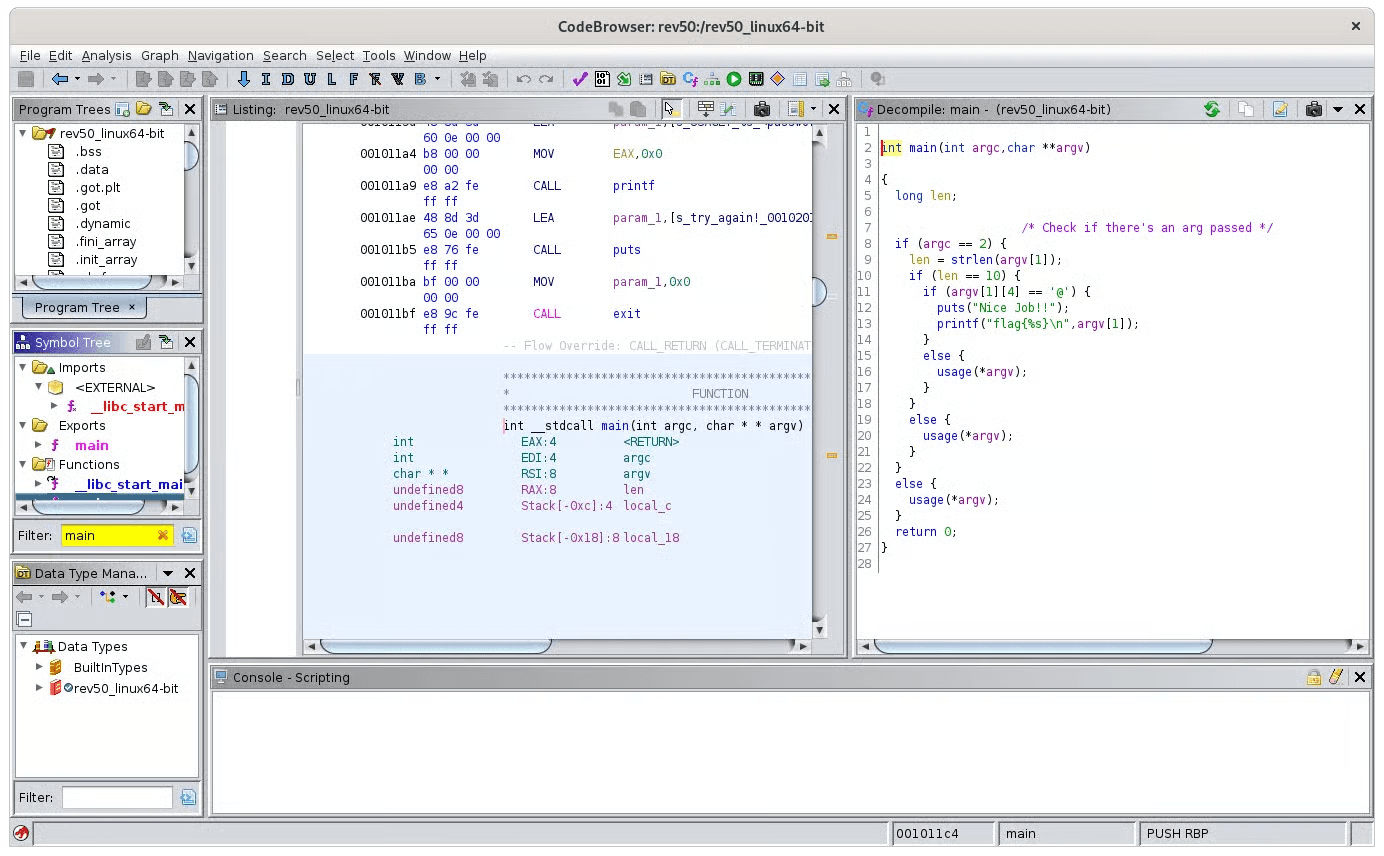
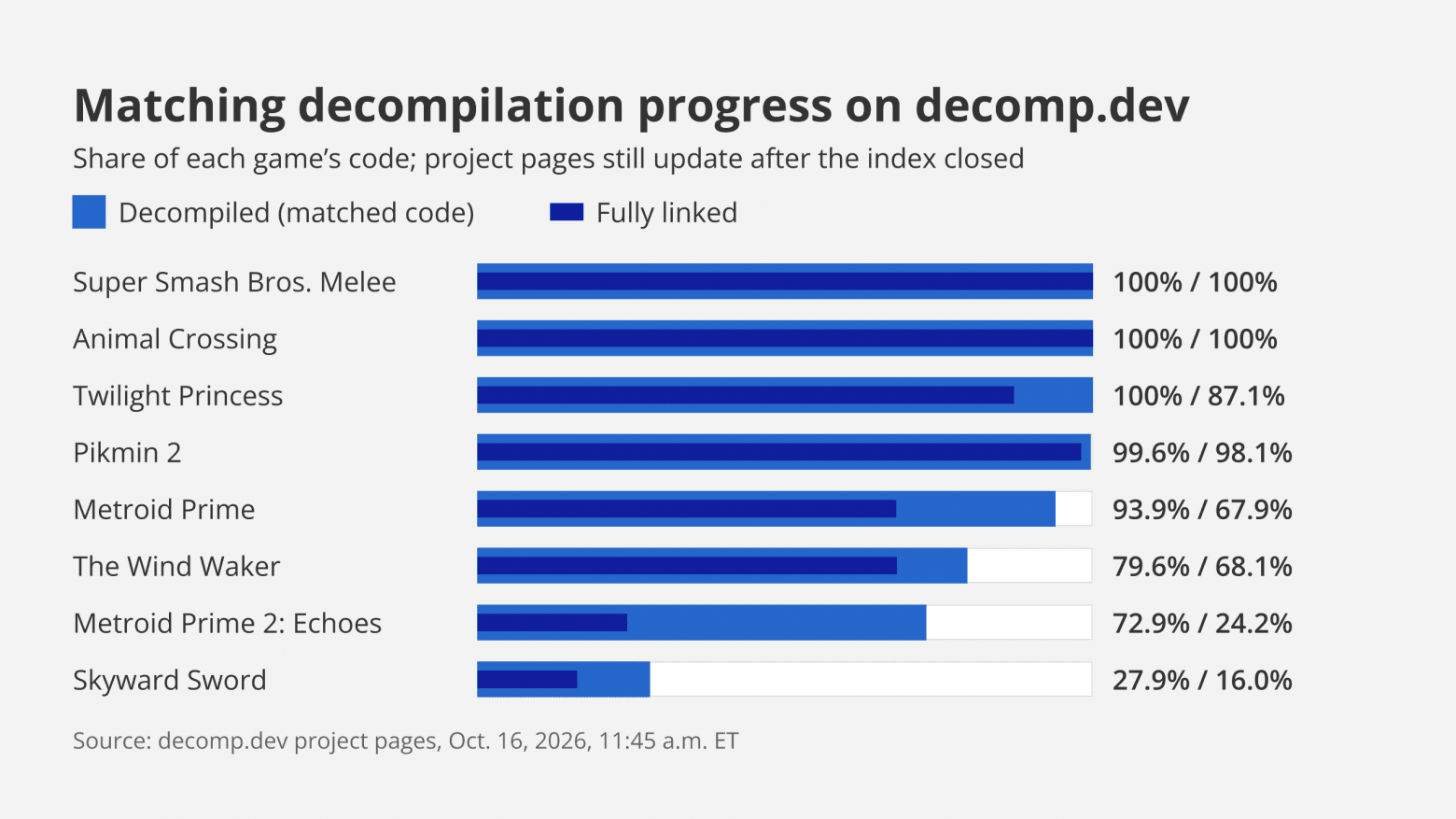
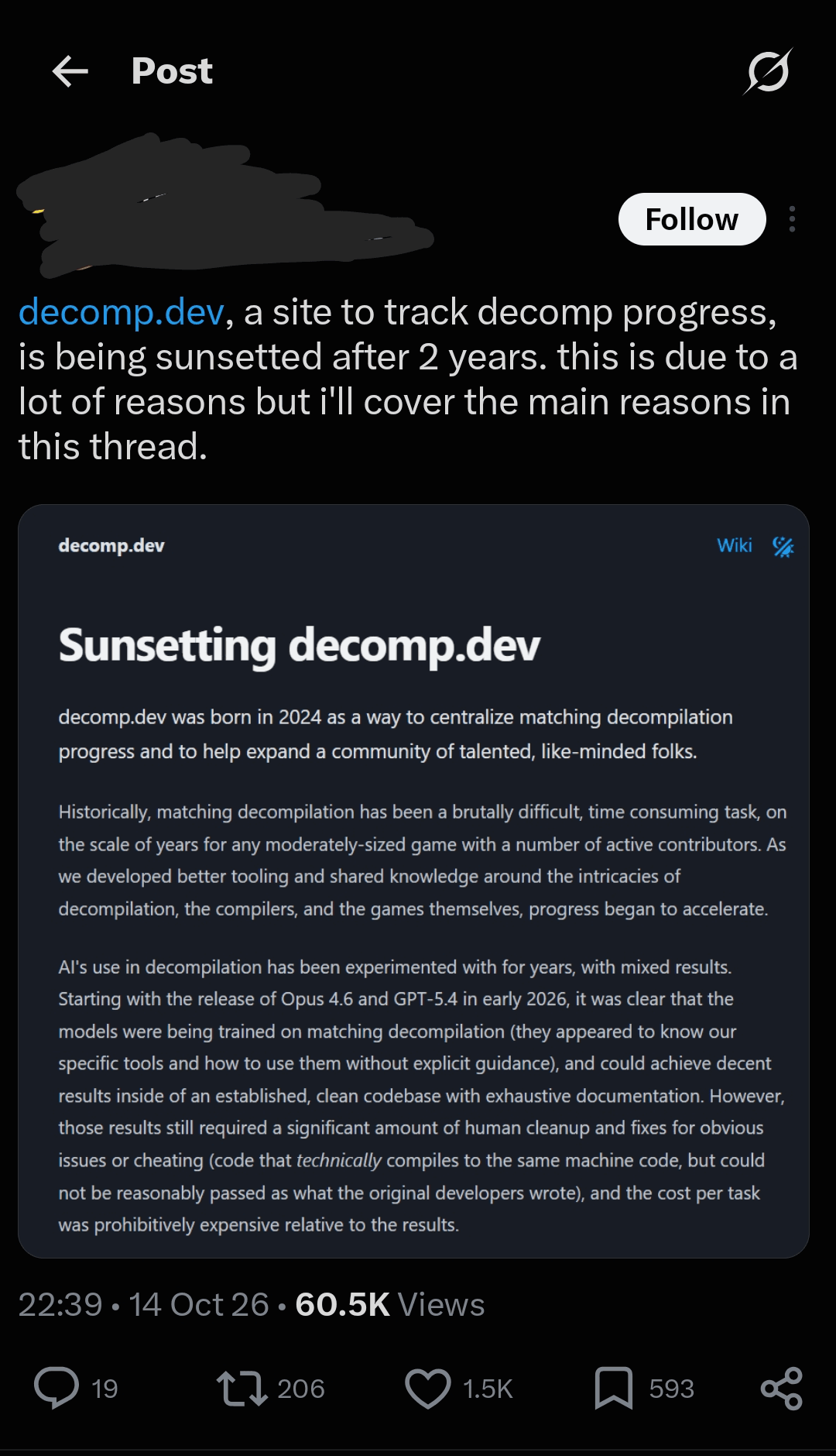
For most games from the 1990s and early 2000s, the source code is gone, leaving only ROMs and executable files. More than 85% of classic games can no longer be legally purchased, so enthusiasts reconstruct their logic from machine code. The work used to take years.
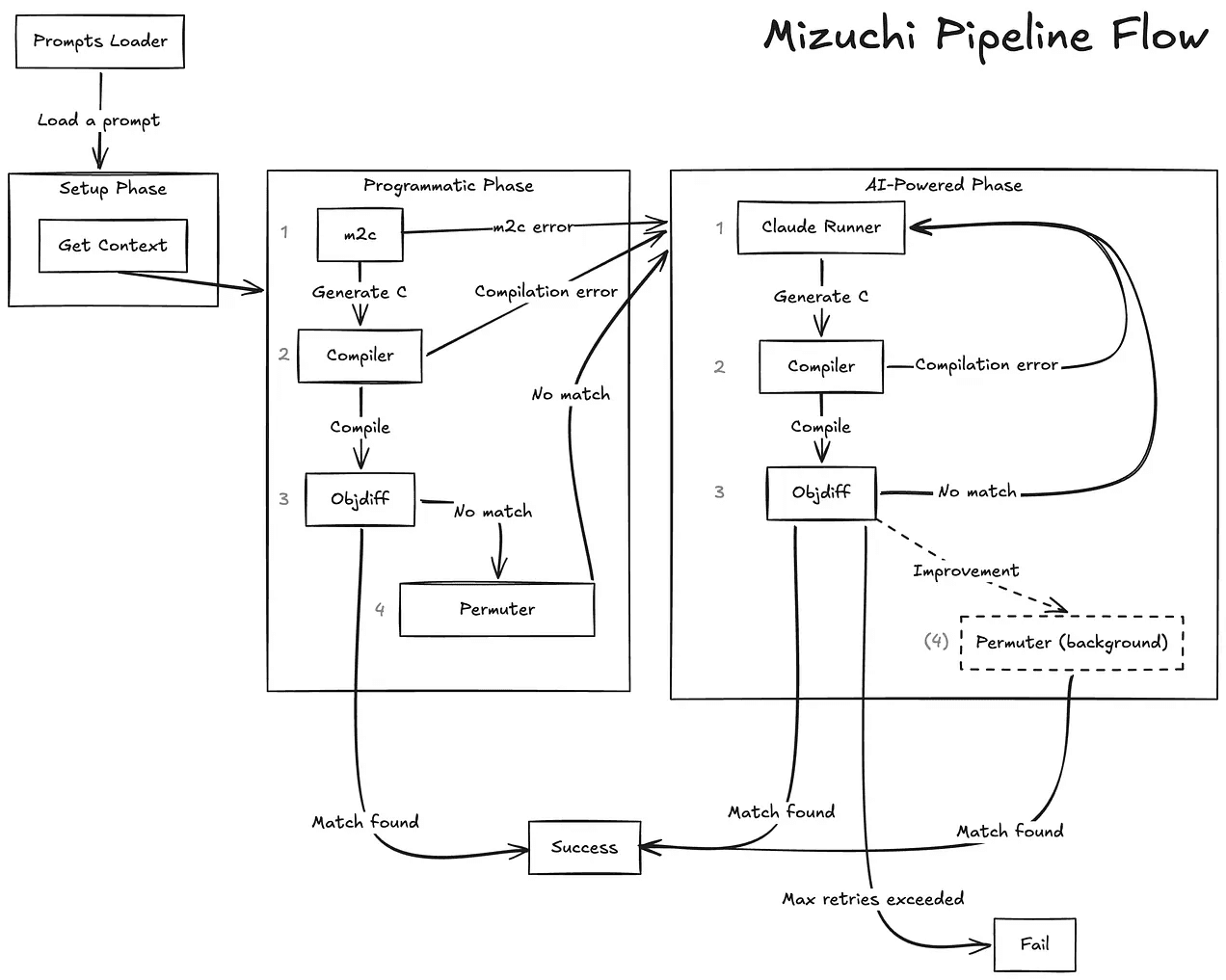
Matching decompilation turns the process into a strict test: an agent writes C code, the compiler builds it, and objdiff compares the result with the original. A try counts only when the bytes match exactly. Mizuchi automates this loop and brings together Claude, m2c, decomp-permuter, and objdiff.
In a test set of 60 functions from Sonic Advance 3 and Animal Forest, a pipeline using Claude Sonnet 4.6 matched 74% of the functions. In Snowboard Kids 2, agents sped up the easy parts, but community members manually finished the final ten hardest functions. The entire game was eventually restored in C, producing a binary identical to the original ROM.
Mizuchi comes with build and launch instructions, including npm commands and setup for an Anthropic key or Claude Code. The tool can automatically retry failed attempts and generate reports, but a person still reviews commits, watches for agents bypassing restrictions, and cleans up the resulting code.
AI speeds up routine decompilation. The hardest functions are still human work.
Related
 ToolsClaude Code: What It Is, How to Install It (Windows, VS Code), Commands, Pricing and How to Use It
 AI agentsExperiment: I handed all my social media and my website to Grok Bot. Day 2: minus five, an ad filter and the hour the bot chose to skip
 ToolsHow to download a program from GitHub: find the installer, portable ZIP or individual file