The ban failed: China is building $3B of AI centers on Nvidia chips
Reuters found $3.2 billion of Chinese projects built around H100, H200 and H800 chips that are banned from export to China.
AI news faster than on the site — on Telegram KARMAZIN MEDIA
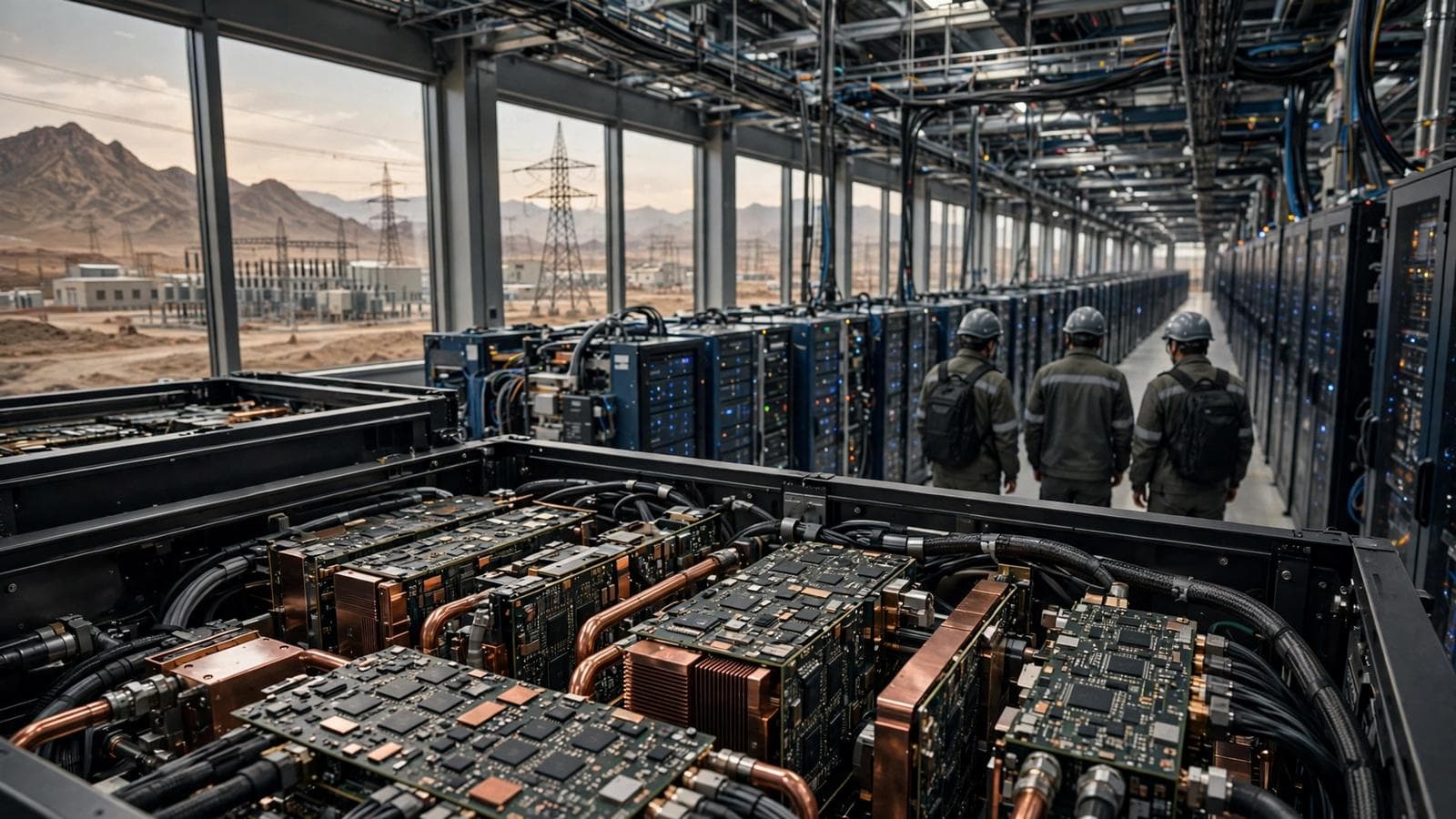
For a year Nvidia has been saying US export rules shut it out of China's AI data center market. Jensen Huang even put a number on it: market share down from 95% to zero. Reuters went through the paperwork and found a very different picture.
Reporters reviewed more than 150 Chinese procurement notices, investment plans, construction contracts and corporate filings. Together they add up to projects and deals worth over 23 billion yuan, about $3.2 billion. All of them are designed around H100, H200 and H800, the exact accelerators that are not supposed to reach China.
It is not just the tech giants. Local government backed companies, universities and regional computing hubs are planning around Nvidia hardware, from the rich east coast to remote western provinces. In Xianyou county, Fujian, a 6.2 billion yuan AI center is looking for partners and lists H100 chips in its spec. In Shaanxi, state group Sinomach won a contract for a 3 billion yuan center specifying H100 and H200. In Inner Mongolia, a project plans 625 H200 servers. In Gansu, a 1.16 billion yuan construction contract signed in July covers a center for roughly 3,072 Nvidia chips, though the documents do not show whether they ever arrived.
One caveat matters: the $3.2 billion is not just chips. It includes buildings, power systems and other infrastructure, and some projects are still only plans. Nvidia and China's commerce ministry did not immediately respond.
The report landed a day after Huang stepped down as CEO. He was the loudest voice for easing export controls, and without him Nvidia has less pull in Washington. Reuters could not tie the projects to Megaspeed or to the allegations around Huang.
Bottom line: the ban lives on paper, and the demand for H100s in China lives somewhere else.
Related
 AI agentsExperiment: I handed all my social media and my website to Grok Bot. Day 2: minus five, an ad filter and the hour the bot chose to skip
 ToolsHow to download a program from GitHub: find the installer, portable ZIP or individual file
 ToolsHow to track website changes and get price alerts with changedetection.io