They fed Claude the docs, and it wrote the autotests by itself
Testers plugged the model into their docs over MCP, and now it drafts test cases, writes automated tests and finds bugs. Humans review just two steps.
AI news faster than on the site — on Telegram KARMAZIN MEDIA
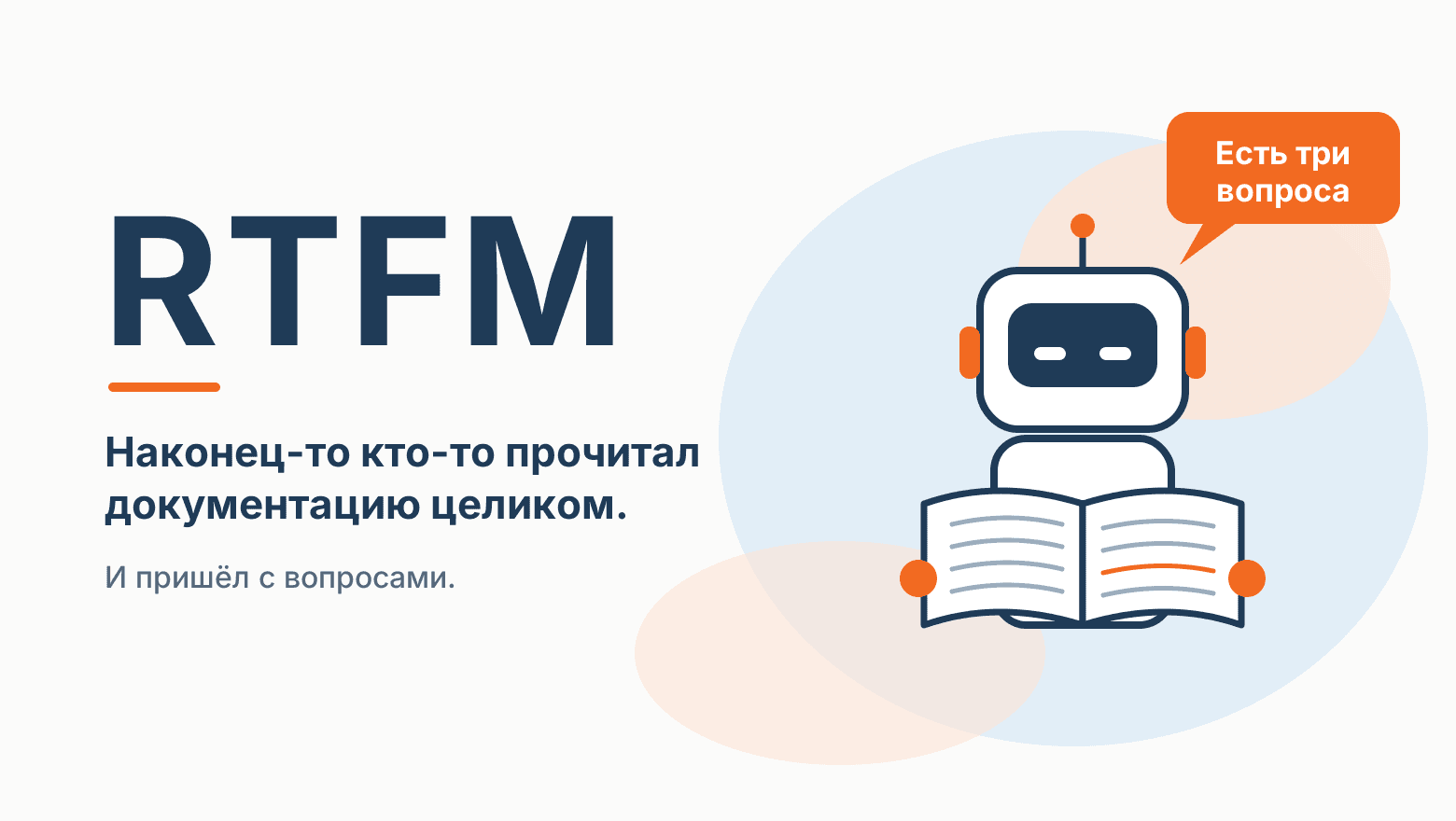

At Documenterra, a company that builds platforms for documentation sites, testers have stopped clicking through new features by hand. They now hand the product docs to Claude, and the model derives test cases from them and writes working automated tests. The company's CTO laid out the whole setup, and it is easy to copy.
The numbers: about an hour of prompting and roughly five hours of Claude's work, and a feature has working autotests. Nobody hunts for selectors or invents steps. The input is the feature description, the ticket, the pull request and the docs. The output is a test plan and code.
The model does not read an export of the docs. It goes through an MCP server connected to the documentation portal. That way it finds the pages it needs on its own, sees private sections about unreleased features and works with the current version rather than whatever it remembered from training. On top of that the team built a test-design skill for the agent: you feed it everything known about a feature and it returns a test plan.
On a simple password recovery example, Claude wrote cases straight from the documented steps and added a negative one by itself: what happens if you press Reset password with an empty login. The docs said nothing about it, the model inferred the check from plain form logic. Along the way it catches bugs, flags old test cases that contradict the current docs and can write tests for a feature the tester has never seen.
There is no blind trust. The pipeline has two mandatory human reviews. First the docs themselves, because if they are wrong the tests will faithfully lock in the error and stay green. Then the test cases, where a person spots gaps in coverage. The test code itself, the author says, needed less supervision than he expected, and the most useful thing to read is the model's reasoning: it shows right away where it misunderstood a feature.
The big takeaway is a surprise. Documentation that was written for customers and checked whenever someone had time turned out to be the best context for AI. An engineer explaining a task to a model always skips something, because he knows too much. Docs are written for someone who knows nothing. Want AI to do your testing, start with decent docs.
Related
 ToolsMCP Server: What It Is, How to Connect It to Claude, Cursor and n8n, and How to Build Your Own
 AI agentsExperiment: I handed all my social media and my website to Grok Bot. Day 2: minus five, an ad filter and the hour the bot chose to skip
 ToolsHow to download a program from GitHub: find the installer, portable ZIP or individual file