ChatGPT Lockdown Mode failed: a popup stole the whole chat
Researchers slipped past the hardened isolation mode through HTML preview. On desktop ChatGPT Classic the chat left with zero clicks. OpenAI already shipped the fix.
AI news faster than on the site — on Telegram KARMAZIN MEDIA
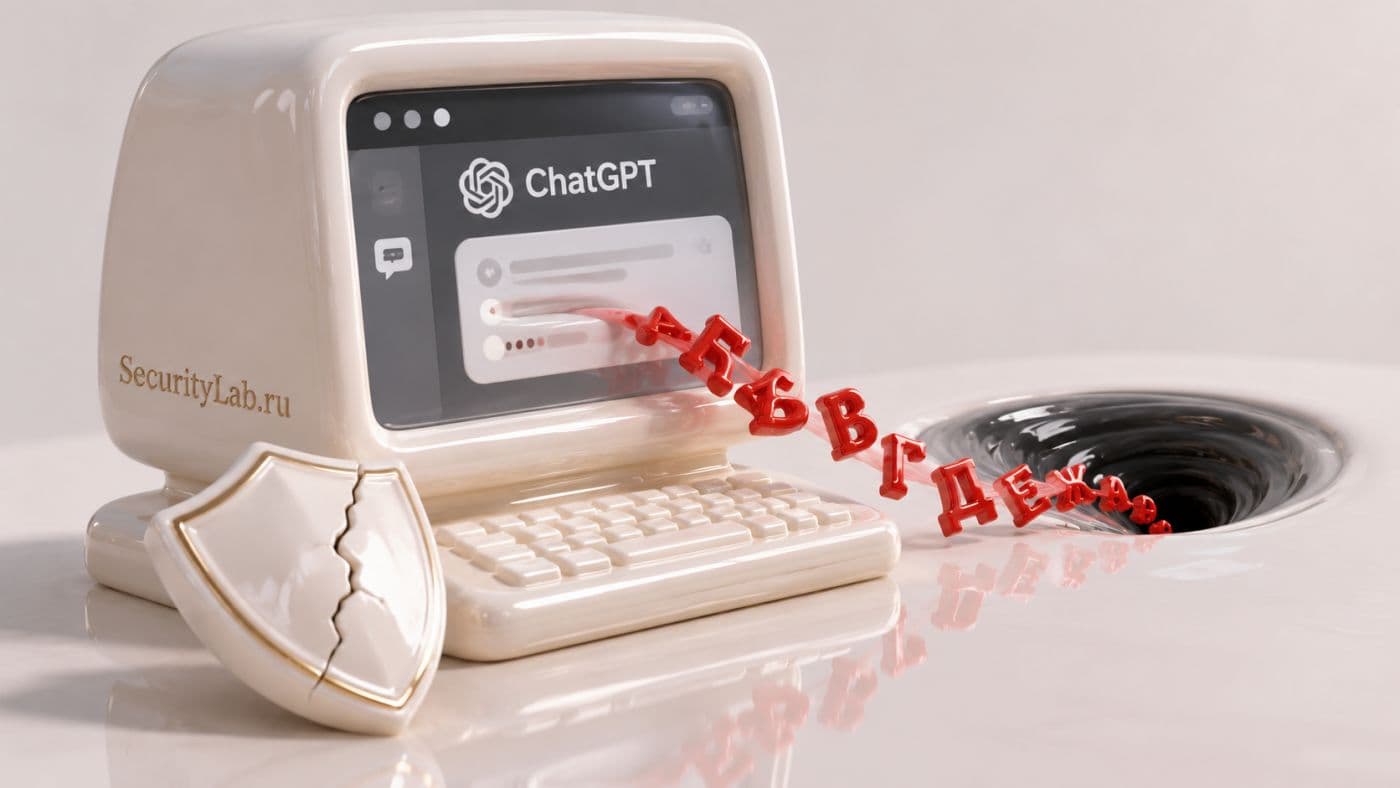
ChatGPT Lockdown Mode is supposed to cut live web access, remote images, Deep Research, agents and connectors so a malicious prompt cannot ship your data out. Researchers showed that protection could be beaten with a plain popup.
The hole sat in HTML preview inside code blocks. The page runs in a sandbox, and ChatGPT overrides window.open so outbound links need approval. The iframe still kept allow-popups and allow-popups-to-escape-sandbox. Create one more nested iframe, call open on its contentWindow, and the window opens outside the sandbox. From there an attacker could exfiltrate the full chat, run phishing, or push a fake update with malware.
In a browser you usually need a click. In the Electron ChatGPT Classic app the popup needed no user gesture: a conversation with a malicious GPT or a shared chat was enough. Attackers could also reload the main window and sign the user out, then catch a login on a fake page.
The path worked through a malicious prompt, a custom GPT or a shared chat. Researchers told OpenAI, and on September 18, 2026 the company removed those popup permissions from the outer iframe. A retest confirmed the trick no longer works. The fix is server-side, so users do not install anything.
The write-up landed on November 5. This is not a live zero-day in production. It is a reminder that a hard isolation mode still failed through a convenience feature. While AI apps render your HTML and hold sensitive data, the sandbox is as much of the security story as the model itself.
Related
 ToolsWhat Is a Prompt and How to Write One: Structure, Examples, Ready-Made Templates
 AI agentsExperiment: I handed all my social media and my website to Grok Bot. Day 2: minus five, an ad filter and the hour the bot chose to skip
 ToolsHow to download a program from GitHub: find the installer, portable ZIP or individual file