AI flooded the Linux kernel, and Torvalds is happy about it
Linux 7.4-rc1 packs almost 20,000 commits instead of the usual 15,000. Torvalds says the main reason is a flood of AI triggered fixes, and he calls it a good sign.
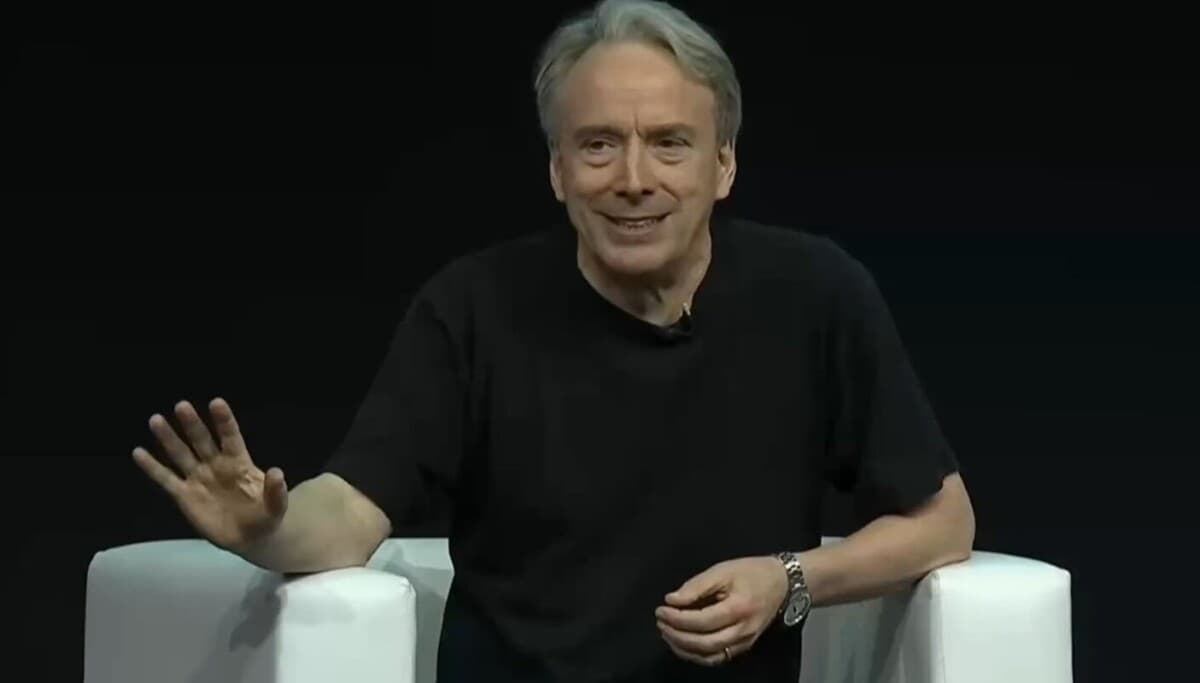
Linus Torvalds pushed out Linux 7.4-rc1, the first release candidate of the new kernel, on Sunday and warned straight away that this merge window was big. Almost 20,000 commits landed in two weeks, against the usual 15,000 or so.
He named the main reason plainly: the flood of AI triggered work. AI tools are finding bugs in the kernel and, more and more often, suggesting the patches too, although developers frequently rewrite them before they go in.
The surprising part is that Torvalds is pleased. Until now AI fixes mostly poured in during the stabilization phase, when a release is supposed to be calming down. Now they arrive in the regular merge window as part of normal development. Torvalds calls that "a much healthier model", while adding that the next release candidates will show how well it really works.
There are a couple of footnotes to the record. Developers expect 7.4 to be the next long term support (LTS) release, and people always rush to get their changes into those. And a full third of the diff is AMD GPU register headers, which Torvalds says to simply ignore. Without them it looks normal: about half drivers, the rest spread across filesystems, networking, memory management, BPF, Rust and tools like perf.
Even the shortlog this time is 24,000 lines and 1.2 MB.
Bottom line: AI is no longer a visitor in the Linux kernel but one of its biggest contributors, and the man who created Linux is fine with that.
 Tools
 Tools
 Tools