New malware feeds your whole life to Claude and asks what you're worth
The VOLTA stealer grabs passwords, wallets and sessions, digs through email and delivery receipts, then asks an AI to profile the victim and rank what can be cashed in.
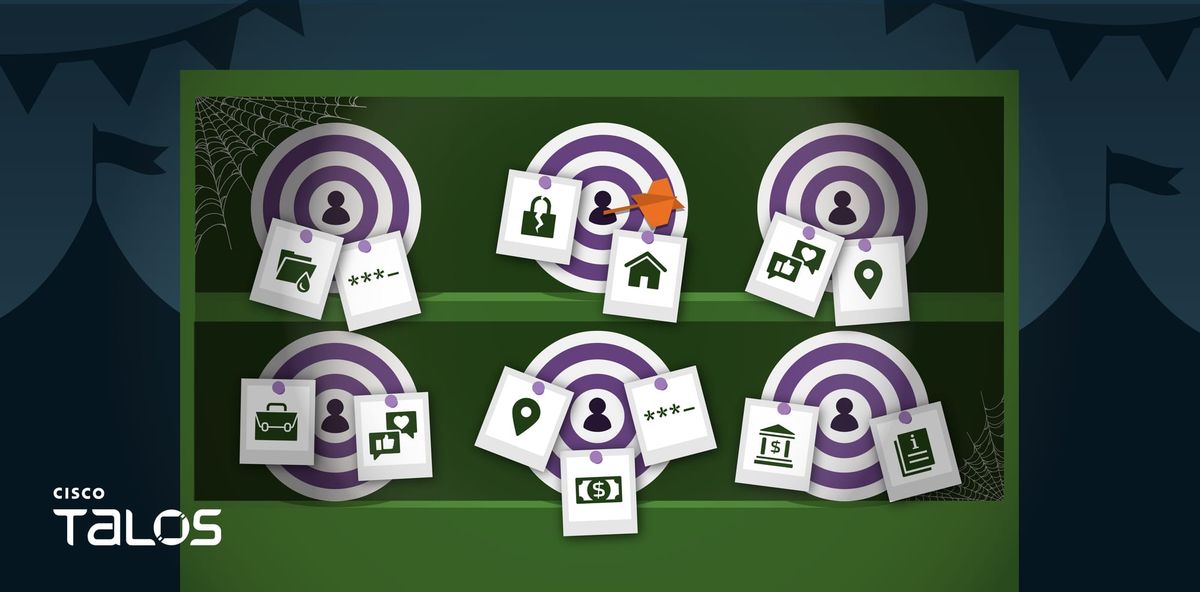
Researchers at Cisco Talos on Saturday took apart a new Windows infostealer that calls itself VOLTA-AUTODOXER. It starts with the usual stealer routine: browser passwords and cookies, saved payment cards, crypto wallet seed phrases, Discord, Telegram, Steam, Roblox and Slack sessions, Microsoft tokens, SSH keys and the password of every Wi-Fi network the machine has ever joined. Wallets aren't just copied, it tries to crack them on the spot.
Then comes the new part. Using the stolen sessions, it logs into the victim's Gmail, hunts for receipts from Amazon, DoorDash, Uber Eats, Walmart and PayPal to confirm a home address, pulls food delivery history and prices the victim's Roblox inventory. All of it goes into a dossier that is sent through OpenRouter to a language model. The default is Claude Opus 4.6.
The prompt tells the model to act as "a forensic intelligence analyst": write a summary of the person, a section called "What they're worth" ranking valuables by how easy they are to cash in, and a section on their opsec, such as whether the Wi-Fi password matches their last name. "Go deep, not wide," it says. The authors clearly expected pushback: if the reply contains phrases like "I can't", the malware falls back to China's Kimi K2 from Moonshot, then to Gemini 2.5 Flash. Without an AI key it still works, just without the dossier.
A template with six swappable slots suggests VOLTA is sold as a builder: the buyer plugs in their own Telegram and keys, gets a custom build, and ranked victim assessments land in their chat. The researchers did not track whether it has been used in real attacks, and the sample was first spotted on October 11. If infected, they advise keeping the volta_debug.txt file in AppData, which logs exactly what was taken, revoking tokens, changing passwords and treating any wallet whose seed phrase sat on disk as gone.
Hackers used to sift through mountains of stolen logs by hand. Now a chatbot does it for them, and the request goes out straight from the victim's own computer.
 Tools
 Tools
 Tools