Google put AI in orbit, and the first thing it did was write poetry
The Project Suncatcher satellite, carrying a Google data center TPU and the Gemma 4 model, answered its first prompt from Earth. The answer was a haiku.
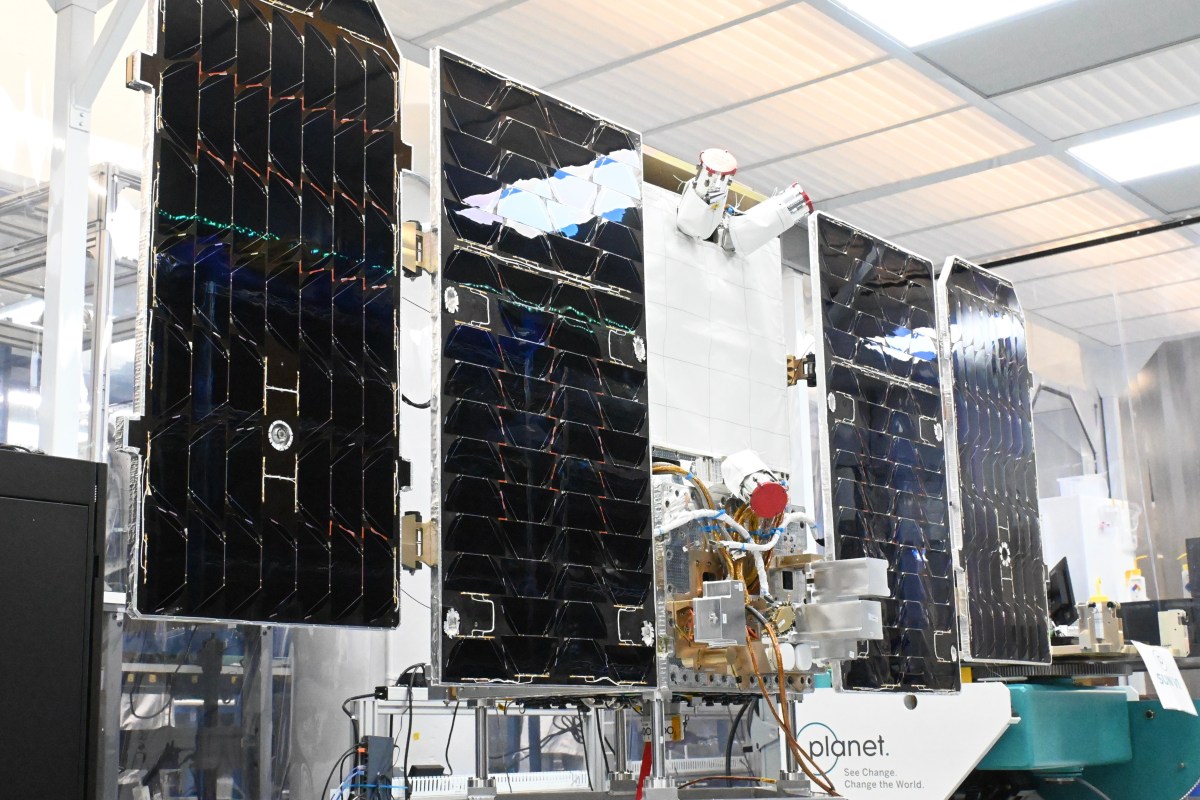
Google has received its first answer from an AI model that runs not in a data center on Earth but on a satellite. The Project Suncatcher spacecraft launched on October 1 on a SpaceX rocket alongside about a hundred other satellites, then spent three weeks being commissioned, with its systems powered up and early tests run. This week engineers sent up the first prompt.
It went to the open Gemma 4 model loaded on board, and the answer was computed by a real data center class Google TPU, the same kind of chip that sits in its server farms. The model was asked for a haiku about being in space. The reply came down as the satellite passed over Svalbard: "Blue marble below, data streams in silent grace, starlight feeds my core." Google calls it its "Hello World" moment.
After that the satellite got a few more space themed poetry prompts and was asked to report on the state of its own systems. The next part is duller and more important: testing how the chips handle heat and radiation. Radiation can silently flip bits in memory and corrupt data in ways normal monitoring misses. Ground tests in particle accelerators suggest that is a small problem for running a trained model and a bigger one for training. Now it gets tested for real.
For now it is modest: the satellite generates up to 1 kW and the TPU can only run for about 20 minutes at a time. If the chips hold up, Google plans two more capable satellites in 2027 linked to each other by laser. The long game is moving some AI computing to orbit by the 2030s, where solar power is unlimited.
The first AI in orbit, and the first thing it did was write a little poem. Very human of it.
 Tools
 Tools
 Tools